Aging Prefabricated Units
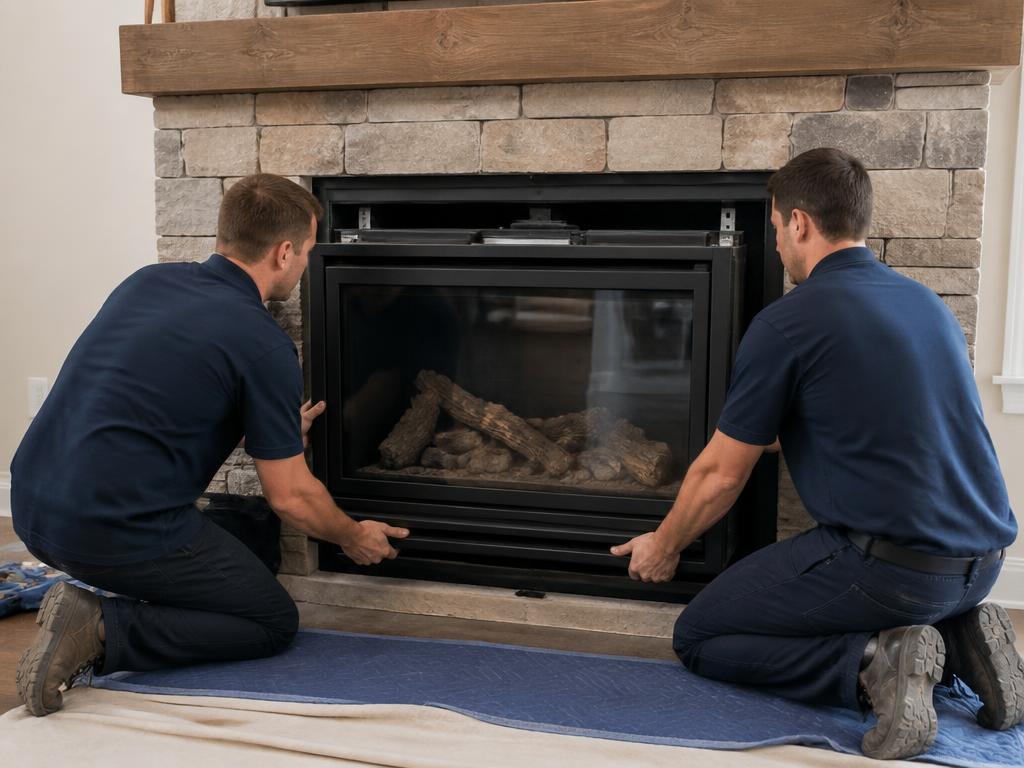
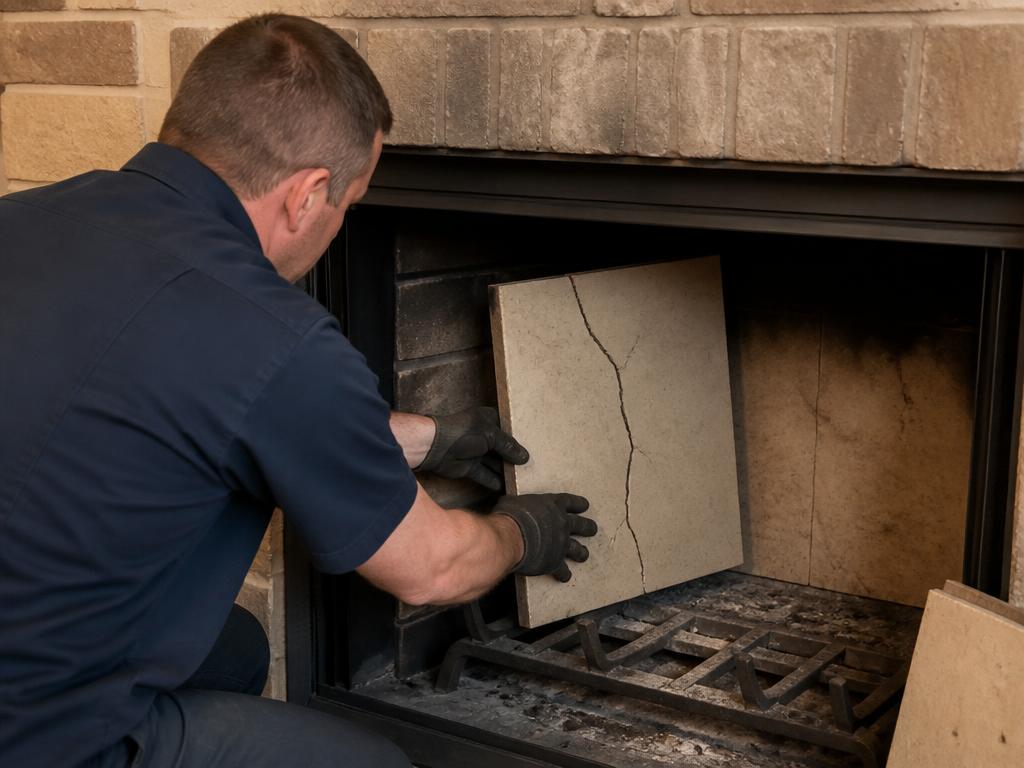
Twenty-year-old prefab fireplaces commonly need refractory panel replacement, new gaskets, blower repair or ignition work. We inspect the shell and venting before recommending anything.
Sweep $99 · Inspections from $59Sweep $99 · Level 2 inspection $79 · Standard inspection $59
Call Now
Fireplace and gas-log service across Dallas–Fort Worth. Pilot won't stay lit, cracked firebox panels, a stuck damper or smoke in the room — we diagnose the unit, explain what is safe and repair the cause.
Request Service
Fill in your details and we'll get back to you about your chimney — wherever you're located in our service areas.
Gas logs, inserts & prefab units
Masonry firebox restoration
Damper & draft diagnosis
Written estimate before work
Across Dallas–Fort Worth, the prefabricated gas fireplace is standard equipment — installed by the thousands in Plano, Frisco, Arlington, Irving and North Dallas from the 1990s onward. Many of those units are now past twenty years old, and the components that fail first are the ignition assembly, the refractory panels and the glass gasket.
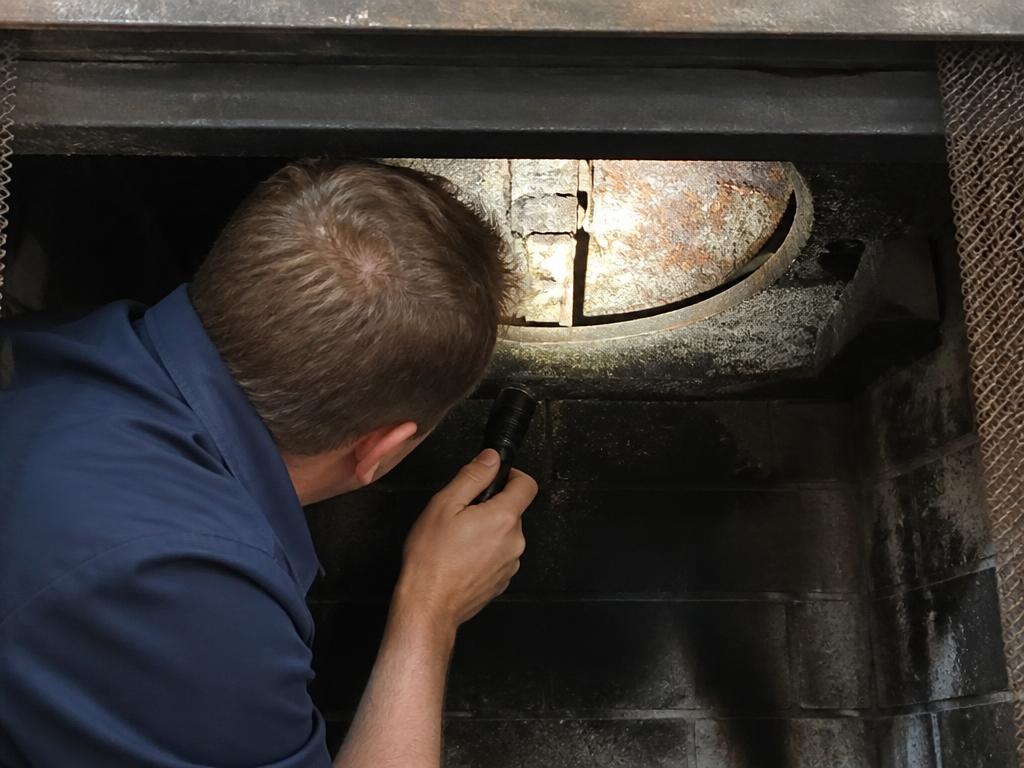
DFW weather adds its own stress. Storm-driven rain and hail damage caps and chase covers on metal chimneys, letting water into the firebox where it rusts the burner and damper. We check the top of the system as part of any fireplace repair, because a fireplace problem in this area is often a water problem first.
A fireplace that is hard to light, smells, smokes into the room or shows cracked panels is telling you something. These are the conditions we are called out for most.
Twenty-year-old prefab fireplaces commonly need refractory panel replacement, new gaskets, blower repair or ignition work. We inspect the shell and venting before recommending anything.
Hail and heavy rain dent and rust chase covers and caps. Water then falls straight into the firebox, rusting the burner, damper and firebox floor.
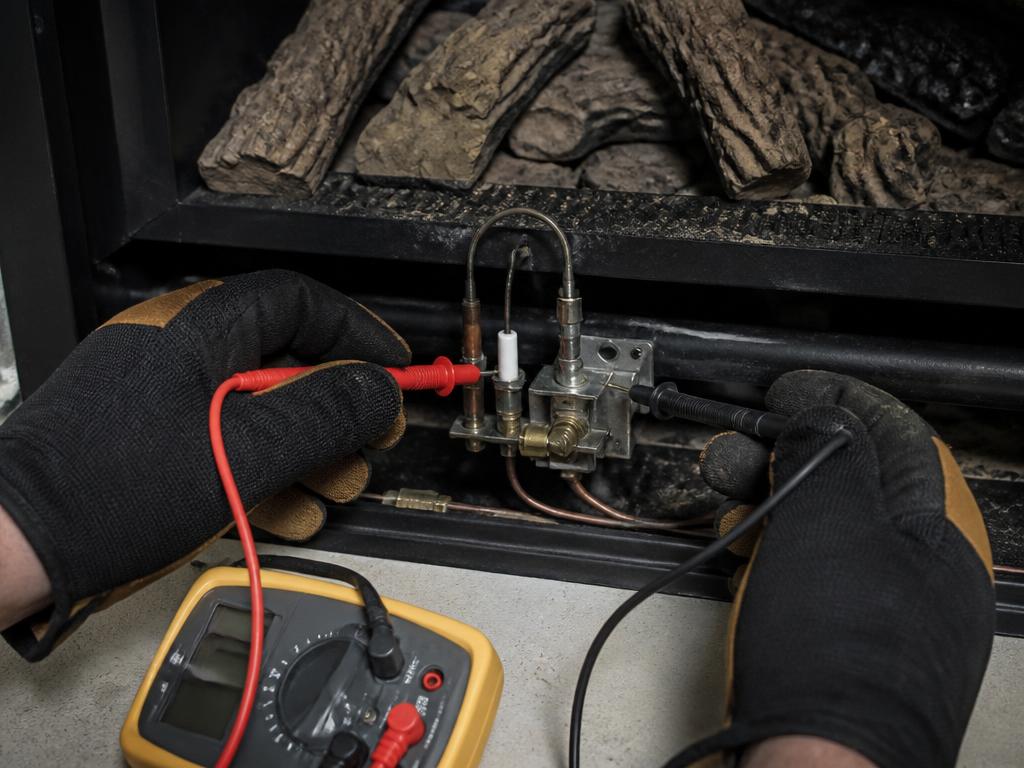
Millivolt and electronic ignition systems fail from weak thermopiles, corroded contacts, dead receiver batteries or faulty modules. We test the system rather than replacing parts by guess.
Describe the fireplace and what it's doing. We'll tell you what is safe to use now and book the next available visit.
Share what you're seeing and we'll contact you to confirm the right next step.
Send My Fireplace Details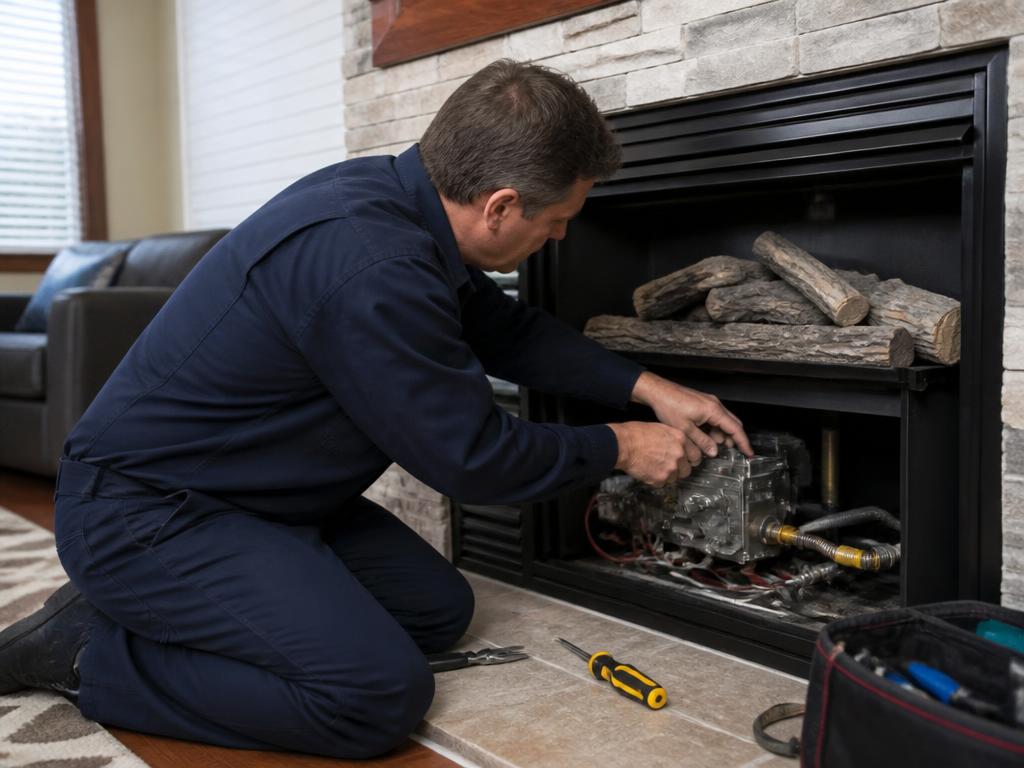
Pilot, thermocouple and thermopile testing, valve and burner service, ignition and remote faults, and a check of the venting path on direct-vent and B-vent systems.
Firebrick and mortar joint repair on masonry fireboxes, and refractory panel replacement on prefabricated units so the firebox contains heat the way it was designed to.
Damper repair or replacement, top-sealing damper installation, and diagnosis of smoke rollback caused by draft, sizing or blockage problems.
Fireplace insert installation and service, blower repair, glass and gasket replacement, and correct log and ember placement on gas log sets.
Tell us the fireplace type — wood, gas logs, insert or prefab — and exactly what it is doing. That determines the parts and tools we bring.
We test the ignition system and gas components, examine the firebox, damper and glass, and check the flue and venting path.
If we find a condition that makes the fireplace unsafe to run, we tell you before anything else and explain what has to be corrected.
Approved repairs are completed, then the unit is run and tested. We show you the finished work and leave the area clean.
You receive findings, photos of accessible areas and a clear note on what was repaired and what should be watched next season.
5.0 average rating
Serving Dallas, Texas and the surrounding area
“Called about raccoons getting into the chimney. They installed a new stainless cap the same week. Quick, clean, and the captain explained how to keep it maintained. Highly recommend.”
Jennifer M.
Chimney Cap Installation · Dallas, TX · 2 months ago
“Water was coming in around our chimney every time it rained. Captain found the cracked crown and bad flashing, explained everything clearly, and fixed it in one visit. Not a drop since.”
Michael R.
Chimney Leak Repair · San Antonio, TX · 2 weeks ago
“Very professional from start to finish. The inspection was thorough, they showed me photos of everything, and the cleaning was spotless — no mess left behind. Fair price too.”
Sarah K.
Chimney Inspection & Cleaning · Austin, TX · 1 month ago
Not sure whether your fireplace is safe to use this week? Call and describe what it is doing.
(682) 217-3577The most common causes are a dirty pilot orifice, a weak thermocouple or thermopile that can no longer hold the gas valve open, or a failing valve or ignition module. Testing the components identifies which one before any part is replaced.
Yes. We service gas log sets, direct-vent and prefabricated gas units, fireplace inserts and traditional masonry wood-burning fireplaces. The diagnosis and repair are different for each, so tell us the type when you call.
No. Cracks in refractory panels, firebrick or mortar joints allow heat to reach materials behind the firebox. The fireplace should not be used until the firebox is repaired or the panels are replaced.
It depends on the unit and the failed component. A pilot or thermocouple repair is a very different job from refractory panel replacement or firebox masonry work. We diagnose the fireplace and give a written estimate before repair work begins.
Annually, before the heating season. Gas units need the ignition assembly, burner, gaskets and venting checked; wood-burning fireplaces need the firebox, damper and flue inspected and the flue swept when deposits require it.
Smoke rollback and odors usually come from draft problems, a partially closed or damaged damper, blockage in the flue, or creosote and debris buildup. We check the firebox, damper and flue together rather than treating the symptom.
Yes. Cracked glass, failed door gaskets and worn seals are common on gas units and inserts. A failed seal affects both efficiency and safe operation of a sealed system.
Yes — 10% off for military, veterans, seniors 65+, police, firefighters and EMTs. Mention it when you call (682) 217-3577.
It usually starts above the firebox. On metal chimneys a damaged chase cover or cap is the common source; on masonry it may be the crown or flashing. We check the top of the system and repair the entry point, then address rust damage inside.
Age alone is not the deciding factor — condition is. We check the firebox shell, refractory panels, venting and gas components. If the unit is still sound we repair it; if it is unsafe or unsupported, we say so plainly.
Diagnosis, honest options and a written estimate before any repair begins.