
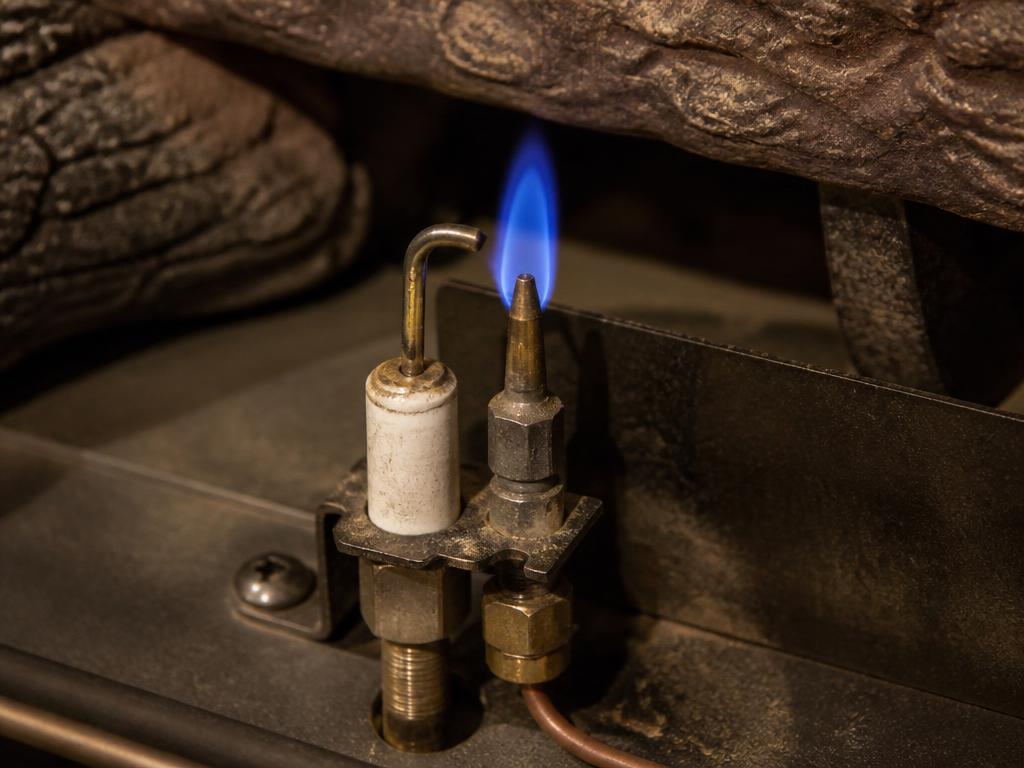
Spider Webs in the Pilot Orifice
It sounds strange but it is the number one warm-climate gas fireplace failure. A single web in the tiny pilot tube starves the flame, and the unit will not stay lit until it is cleaned out.
Sweep $99 · Inspections from $59Sweep $99 · Level 2 inspection $79 · Standard inspection $59
Call Now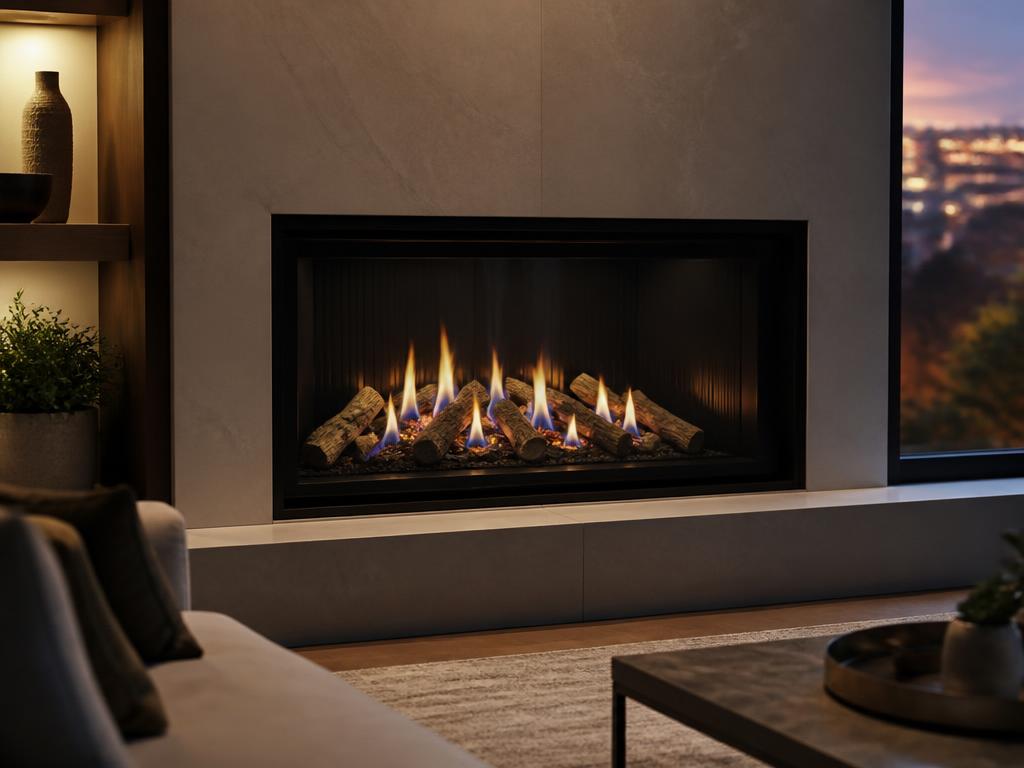
Gas fireplace repair for San Antonio's short, occasional burn season. Pilot won't stay lit, clicks but won't ignite, shuts off on its own, or glass gone black? We test the actual components — sensors, valve, pressure, venting — and repair what failed.
Request Service
Fill in your details and we'll get back to you about your chimney — wherever you're located in our service areas.
Pilot & ignition repairs
Valve & pressure testing
Remote & switch faults
Annual gas fireplace service
San Antonio gas fireplaces get used a handful of weeks a year, and that is exactly the problem. A unit that sits idle for ten months collects dust in the burner ports, spiders in the pilot orifice and corrosion on the sensors, then refuses to light the one cold night you want it.
We see this across Stone Oak, Alamo Heights and the North Side: homeowners turn the switch, hear a click, and nothing happens. The fix is usually a cleaning and a sensor rather than a replacement — and we will tell you when that is the case instead of selling you a new insert.
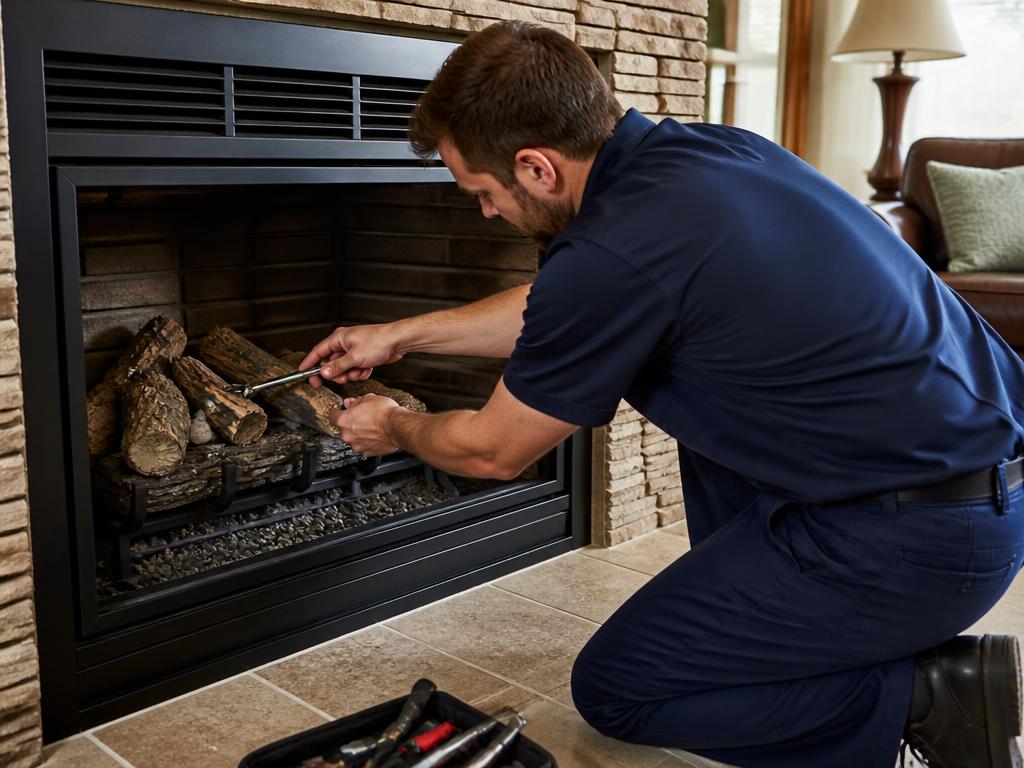
Most gas fireplace failures come down to a handful of parts. Recognising the symptom tells us most of what we need before we arrive.
It sounds strange but it is the number one warm-climate gas fireplace failure. A single web in the tiny pilot tube starves the flame, and the unit will not stay lit until it is cleaned out.
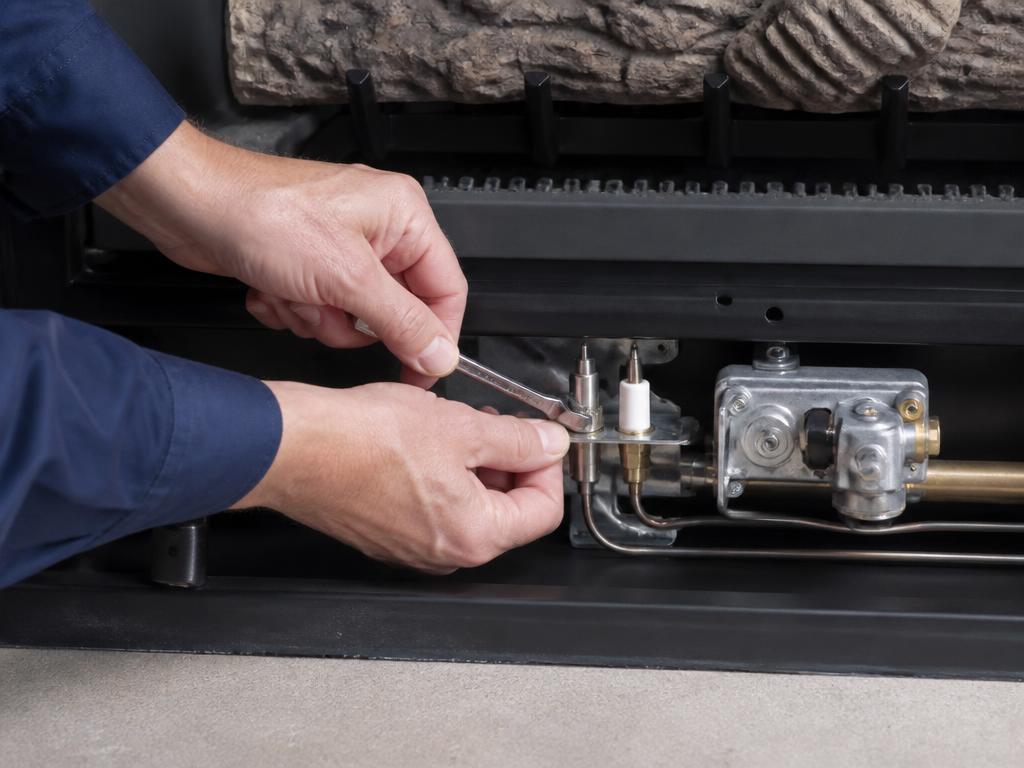
Ten idle months coat the burner ports and logs. That causes uneven yellow flames, sooting and an odor the first time you run it.
Remote-controlled valves fail here mostly because the receiver batteries died months ago. We check the simple things first and say so when that is all it was.
Pilot dying, clicking igniter, dead remote, black glass. Describe the symptom and we'll bring the likely parts to the first visit.
Share what you're seeing and we'll contact you to confirm the right next step.
Send My Fireplace DetailsThe most common gas fireplace repair there is. We test millivolt output rather than guessing, then replace the sensor that can no longer hold the valve open.
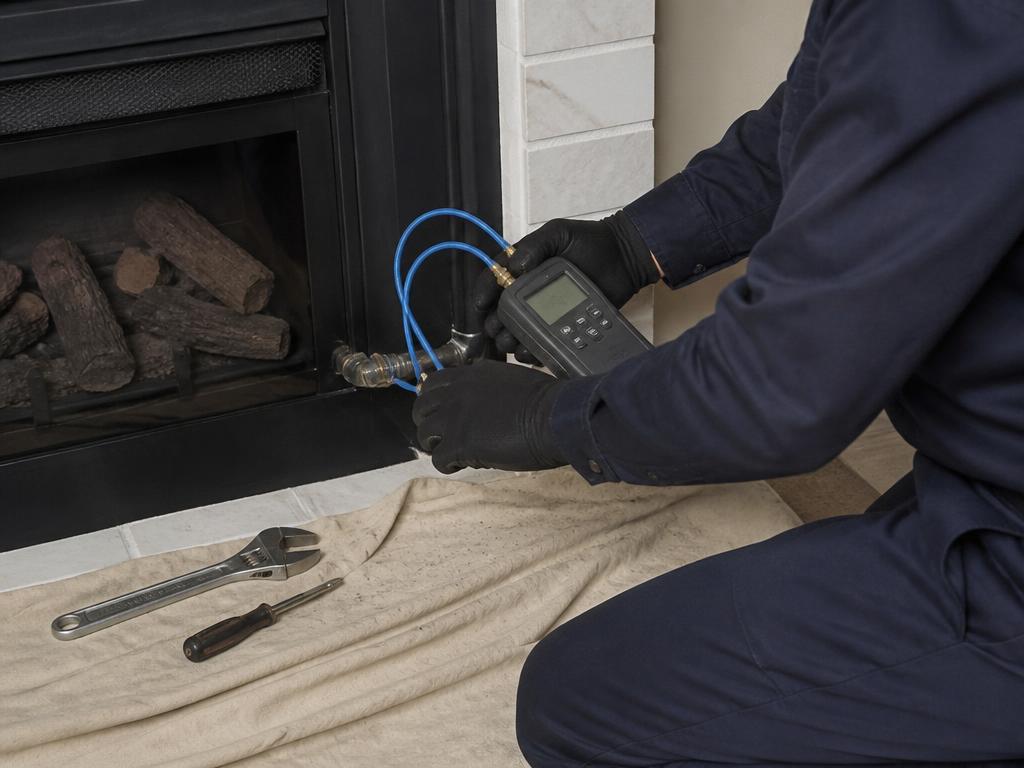
We measure inlet and manifold pressure with a manometer, check the valve's response to the switch or remote, and replace the valve only when it has genuinely failed.
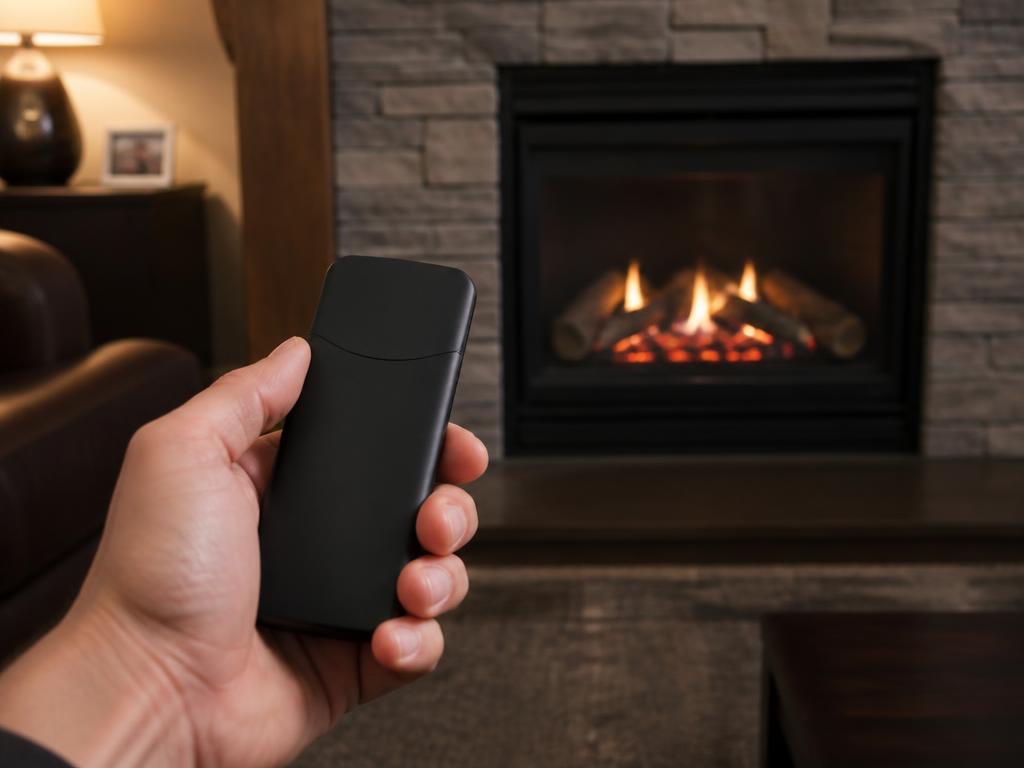
Intermittent pilot ignition modules, wall switches, wiring at the valve, receivers and batteries — when the burner is fine and the control path is not, this is the fix.
Dust, debris and misplaced ceramic logs cause sooting and uneven flames. We clean the burner ports and pilot assembly and set the logs to the manufacturer's layout.
Pilot dying, clicking without lighting, remote not responding, black glass — tell us what it does and we will bring the likely parts.
Gas connections, venting, draft and carbon monoxide risk are checked before anything else. If it is not safe to run, we say so immediately.
Millivolt output at the sensors, gas pressure at the valve, continuity in the control path. Measurement is what separates a real diagnosis from parts-swapping.
You get the diagnosis, the part that failed and one written price. Nothing is replaced before you approve it.
We complete the repair, run the fireplace through a full cycle and show you the flame pattern, the switch and the remote working.
If you smell raw gas, do not operate switches or the fireplace. Leave the house and call your gas utility from outside, then call us. That is not an upsell — it is the correct order of operations.
Soot on the glass, a persistent odor while burning, or headaches and drowsiness when the fireplace runs point to incomplete combustion and possible carbon monoxide. Shut the fireplace off and have it inspected before using it again. A working carbon monoxide alarm on every level of the home is not optional with any gas appliance.
5.0 average rating
Serving San Antonio, Texas and the surrounding area
“Gas logs wouldn't light and I didn't want to mess with the valve myself. He tested the gas pressure, cleaned the burner ports, and got it running safely. Showed me how to shut it down properly too.”
Eddie P.
Gas Fireplace Repair · Schertz · 2 months ago
“Bought an older house and needed a real inspection before we used the fireplace. He walked the roof, scanned the flue, and sent a photo report the same day. Everything explained in plain English.”
Ramon G.
Chimney Inspection · Alamo Heights · 2 weeks ago
“After the heavy rain we had water coming down the firebox wall. They found the chase cover was rusted through, replaced it, and sealed the brick. Dry through every storm since.”
Heather M.
Chimney Leak Repair · Stone Oak · 1 month ago
Not sure whether it's worth repairing? Call and describe what it's doing — we'll tell you straight.
(682) 217-3577The usual cause is a worn thermocouple or thermopile that no longer generates enough millivolts to hold the gas valve open, or a pilot orifice partially blocked by dust or debris. Both are common, inexpensive repairs — we test the output rather than replacing parts on a guess.
It depends entirely on which component failed. A thermocouple or a cleaning is a small job; a gas valve, ignition module or blower is a larger one. We diagnose on site and give one written price before doing any work — never a number over the phone.
Two likely causes: a weak thermopile that drops below the voltage needed to keep the valve open once the unit heats up, or a safety switch tripping because the vent is restricted. Both are diagnosable in a single visit.
A brief dusty smell on the first burn of the season is normal. Persistent soot, black glass, strong odors or headaches while the fireplace runs are signs of incomplete combustion, which can produce carbon monoxide. Shut it off and have it checked. If you smell raw gas, leave the house and call the gas utility first.
Once a year, ideally before the heating season. Annual service cleans the burner and pilot assembly, verifies gas pressure, tests the sensors and inspects the venting — it is what prevents the mid-winter no-heat call.
Yes. Vented gas log sets in masonry fireplaces and sealed direct-vent inserts fail in different ways and use different parts. Tell us which you have — or send a photo — and we will bring the right components.
Usually yes. Valves, sensors, igniters, blowers and remote receivers remain available for most major brands well past twenty years. We only recommend replacement when the firebox or venting is genuinely unsafe.
Yes — 10% off for military, veterans, seniors 65+, police, firefighters and EMTs. Mention it when you call (682) 217-3577.
Have it checked first. A year of dust and insect debris in the burner and pilot assembly can cause sooting, odors and delayed ignition. A quick service visit before the first cold night is the safe way to start the season.
Usually burning dust off the logs and burner, which fades in a few minutes. A persistent gas smell is different — shut the gas off at the valve, leave the house and call us or the gas utility immediately.
One visit, a real diagnosis and a written price. Call now and we'll get you on the schedule.